

Meet the Team
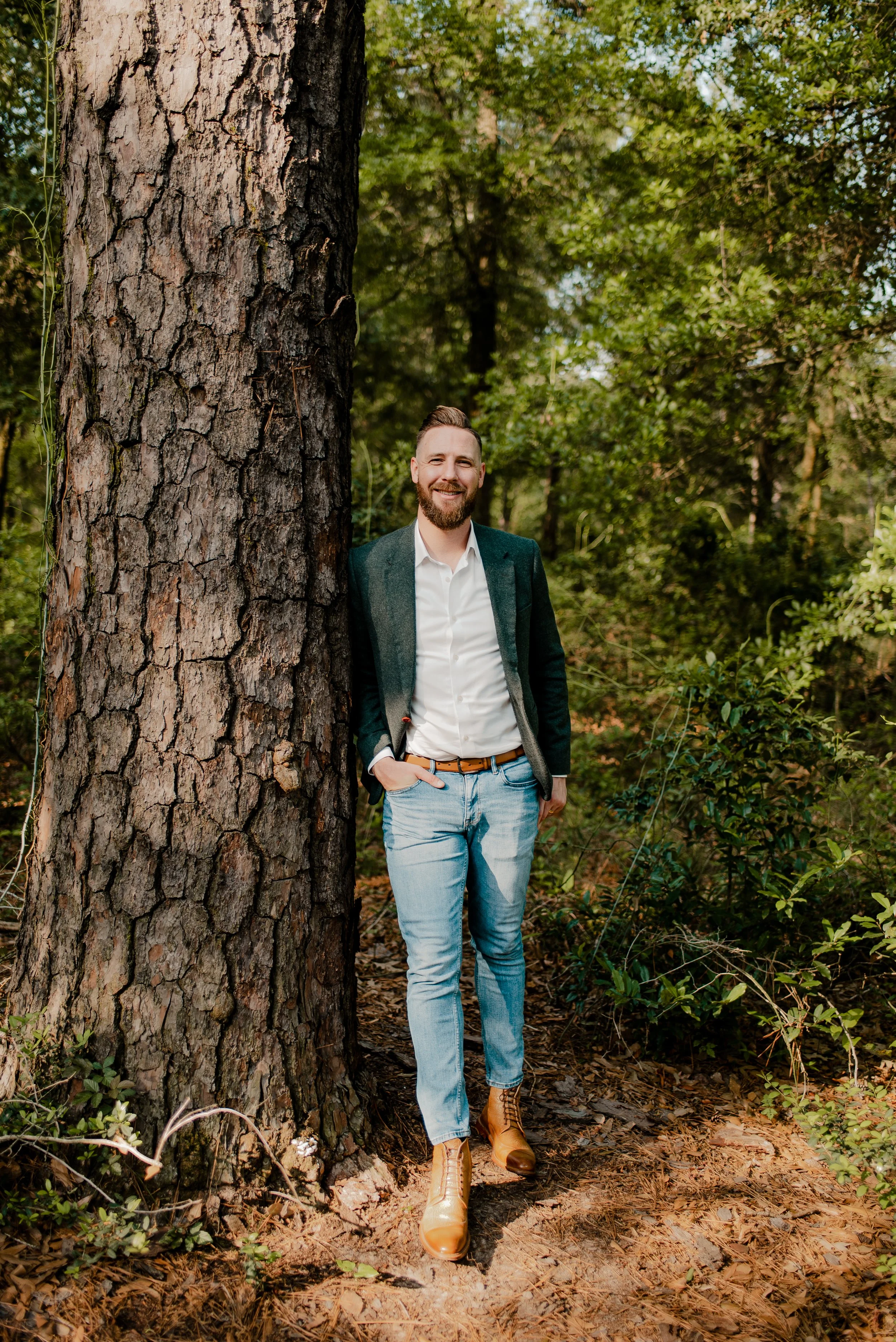
Chase M. Wade, M.Ed, LPC-Supervisor
Founder/Clinical LeadChase M. Wade, M.Ed, LPC-Supervisor is the founder of Starting Line Counseling and Consulting, a therapy practice dedicated to helping individuals overcome life's challenges and achieve their goals. With 17 years of experience as a Licensed Professional Counselor, Chase has developed a unique and effective approach to therapy that focuses on building a strong therapeutic alliance with each client and working collaboratively to establish clear objectives and attainable goals.
Chase's educational background includes a Bachelor's Degree in Human Development and Family Studies from Texas Tech University and a Master's Degree in Counselor Education from the same institution, where he graduated with honors. During his time at Texas Tech, Chase was a Varsity Letterman in both Cross Country and Track and Field, demonstrating his commitment to personal excellence and achievement.
Chase's philosophy in therapy centers on the importance of using a strong collaborative process, and that the therapist and client must work together as a team to achieve the desired outcomes. By creating a safe and supportive environment for his clients, and drawing on evidence-based therapies such as cognitive-behavioral therapy (CBT), dialectical behavior therapy (DBT), and mindfulness-based interventions, Chase empowers his clients to find their own finish line and achieve lasting change.

Felicia Pacewicz, M.S., LPC-Associate, NCC
Supervised by: Anna Arwine, LPC-S
CounselorFelicia Pacewicz, M.S., LPC-Associate, NCC, is a clinical mental health counselor with Starting Line Counseling and Consulting. She works with adolescents and adults navigating anxiety, stress, life transitions, and the patterns that keep them stuck.
Felicia's style is warm and direct. She believes clients deserve a counselor who will genuinely hear them, ask the harder questions, and partner with them in the real work of change. Her directness comes from a simple belief: your time is valuable, and therapy should make use of it.
She became a counselor because she wanted to help people feel understood. Not every problem is ready for a solution, and sometimes what someone needs most is to be validated and given space to be themselves. Felicia also pays attention to the thinking habits and cognitive distortions that quietly shape how clients feel, and isn't afraid to name what she notices.
Sessions often include homework between sessions, mindfulness practices, and somatic check-ins when she notices the body responding to what's being discussed.